Common Problems With Aging Concrete Retaining Walls
To fix common problems with aging concrete retaining walls, local contractors can assess damage and provide expert repairs to restore stability and appearance.
Aging concrete retaining walls can develop a range of common problems that may impact the safety and appearance of a property. Over time, issues such as cracking, shifting, or water seepage can occur, often due to natural settling, weather exposure, or improper initial construction. Property owners in the area who notice these signs might be concerned about potential structural damage or costly repairs down the line. Understanding these common problems helps homeowners recognize early warning signs and consider professional solutions to maintain the stability and integrity of their retaining walls.
For those facing concerns about aging concrete retaining walls, local service providers offer practical repair options tailored to address these issues effectively. Whether it’s reinforcing weakened sections, sealing cracks, or stabilizing shifting walls, experienced contractors can help restore the wall’s function and appearance. Exploring these repair services ensures that property owners can make informed decisions about maintaining their landscape features and protecting their investment over time. Keep reading to learn more about how local experts can assist with common problems associated with aging concrete retaining walls.
- Concrete retaining walls repair services are often needed when cracks develop due to shifting soil or temperature changes, and local contractors can assess and address these issues effectively. When signs of water damage or erosion appear around the base of a retaining wall, service providers can evaluate the damage and perform necessary repairs to prevent further deterioration. Bulging or leaning walls are common problems with aging concrete retaining walls, and experienced local pros can reinforce or rebuild sections to restore stability. Deterioration of the wall surface, such as spalling or crumbling, may prompt repairs, with local contractors providing resurfacing or patching solutions. When drainage problems cause water buildup behind the wall, service providers can install or repair drainage systems to reduce pressure and protect the structure.
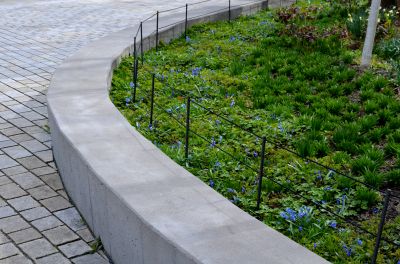
Many homeowners searching for information on common problems with aging concrete retaining walls are often concerned about the structural integrity and safety of these features. Over time, concrete walls can develop issues that compromise their ability to hold back soil and prevent erosion. These problems may include cracking, bowing, or leaning, which can lead to soil movement or even wall failure if not addressed promptly. Understanding these common issues helps property owners recognize early signs of deterioration and consider repair options to maintain the stability of their landscape and property value.
The problems associated with aging concrete retaining walls are closely tied to the plans for property improvement or landscape design. For example, a homeowner might want to reinforce or replace an existing wall that has begun to shift or crack. Others might be considering adding new features like stairs or planters that require a sturdy, level wall. In many cases, these issues relate to drainage concerns, poor initial construction, or natural settling over time. Local service providers specializing in concrete retaining wall repair can evaluate the specific condition of a wall, recommend necessary fixes, and help ensure that the property’s landscape remains functional and visually appealing.
Properties that typically come up in discussions about aging concrete retaining walls include residential yards, commercial landscapes, and hillside properties. Residential homes often have retaining walls around gardens, patios, or driveways that face the effects of weather and soil movement. Commercial properties may feature larger, more complex retaining structures that support parking areas or outdoor spaces. Hillside properties are particularly vulnerable to the effects of erosion and shifting soil, making the stability of retaining walls critical. Local contractors experienced in concrete wall repairs understand the unique challenges these property types face and can provide tailored solutions to address common aging issues.
When searching for solutions to problems with aging concrete retaining walls, property owners often want to understand how repairs can restore safety and durability. Common issues like cracking, bulging, or water damage are signs that the wall may need reinforcement or replacement. Local pros can assess the severity of these problems, recommend appropriate repair methods-such as crack injection, wall reinforcement, or drainage improvements-and help extend the lifespan of the existing structure. Connecting with experienced service providers ensures that repairs are handled efficiently and effectively, helping property owners protect their investments and maintain the stability of their landscape features.
Retaining wall construction - professionals experienced in building various types of retaining walls can apply similar planning and structural skills to repair aging concrete walls effectively.
Foundation stabilization projects - these projects require expertise in soil analysis and reinforcement techniques that are also essential when addressing issues in aging concrete retaining walls.
Drainage system installations - proper drainage is critical for preventing water-related problems in retaining walls, making this a related skill area for repair specialists.
Concrete repair and restoration - contractors skilled in concrete patching, sealing, and reinforcement are well-equipped to handle common problems with aging concrete retaining walls.
Landscape grading and erosion control - managing soil and water flow around retaining structures shares planning and site assessment skills with wall repair services.
Soil stabilization services - these projects involve techniques to improve soil stability, which directly relates to fixing foundational issues in aging concrete retaining walls.
When evaluating contractors for concrete retaining walls repair, it is important to consider their experience with similar projects. Homeowners should seek out service providers who have a proven track record of addressing common problems with aging concrete retaining walls, such as cracking, shifting, or water damage. Contractors with relevant experience are more likely to understand the unique challenges associated with older walls and can recommend appropriate repair strategies that preserve the wall’s integrity and longevity.
Clear written expectations are essential to ensure that homeowners and service providers are aligned on the scope and details of the repair work. When comparing local contractors, it helps to review written estimates or project plans that outline the specific repairs to be performed, materials to be used, and the estimated timeline. This transparency helps prevent misunderstandings and provides a basis for evaluating whether the proposed approach addresses the common issues associated with aging concrete retaining walls effectively.
Reputable references and good communication are key indicators of a trustworthy service provider. Homeowners should ask potential contractors for references from past clients who had similar repair needs. Talking to previous customers can provide insight into the contractor’s reliability, quality of work, and ability to handle unexpected issues. Additionally, service providers who communicate clearly and promptly can help homeowners feel more confident throughout the project, ensuring that questions are answered and concerns are addressed as work progresses.
Property owners often search for common problems with aging concrete retaining walls when they are planning practical projects around their homes and businesses. Local pros provide Concrete Retaining Walls Repair services for everyday jobs and straightforward project options.
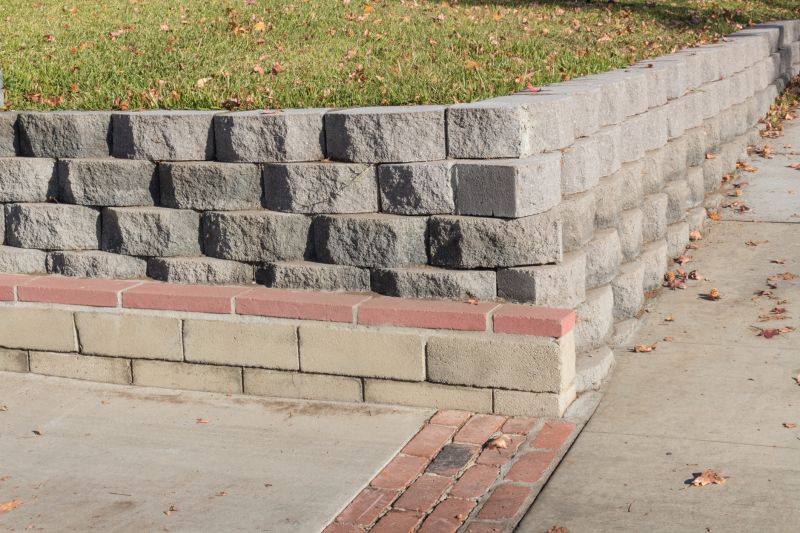
Many property owners in the area notice that aging concrete retaining walls can develop issues over time, especially after years of exposure to weather and shifting soil. Common problems include cracks, which may start small but can grow larger if not addressed, potentially affecting the wall’s stability. Other signs include bulging or leaning sections, indicating that the wall may be losing its structural integrity. These issues often arise from natural settling, water infiltration, or poor initial construction, prompting property owners to seek advice on repair options to prevent further damage.
When these problems become apparent, many turn to local contractors who specialize in concrete retaining wall repair. These service providers can assess the condition of the wall and recommend solutions to restore strength and appearance. Whether the issue is minor cracking or more significant structural concerns, experienced local pros can provide the necessary repairs to help maintain the safety and functionality of the property. Connecting with qualified specialists ensures that aging concrete retaining walls are properly maintained and protected against future problems.
What are common signs of damage in aging concrete retaining walls? Visible cracking, leaning, bowing, and water seepage are typical indicators of issues in aging concrete retaining walls that may require professional repair services.
Why does concrete in retaining walls tend to crack over time? Concrete can develop cracks due to factors like soil movement, freeze-thaw cycles, and structural stress, which local contractors can assess and address effectively.
How can water infiltration affect aging concrete retaining walls? Water infiltration can weaken the structure, cause erosion behind the wall, and lead to further deterioration, making repairs essential to prevent more serious problems.
What causes the soil behind a retaining wall to shift or settle? Soil movement can result from poor drainage, erosion, or natural settling, which can compromise the stability of the wall and require expert repair work.
When should a damaged concrete retaining wall be repaired or replaced? If signs like significant cracking, leaning, or bulging are present, it is recommended to consult local contractors for an assessment and appropriate repair or replacement options.
Cracks and shifting - Recognizing early signs of cracks or movement can help property owners plan repairs with local contractors to prevent further damage.
Water drainage issues - Ensuring proper drainage around the wall can be addressed by local service providers to reduce the risk of water-related deterioration.
Surface deterioration - Surface spalling or chipping can be managed by local pros through repair or resurfacing techniques to restore wall integrity.
Structural instability - Identifying signs of leaning or bulging allows property owners to seek expert repairs from local contractors to maintain safety and stability.
If you are thinking about common problems with aging concrete retaining walls for a property, this guide is meant to help you understand this topic, the typical project types, and how different options might fit your plans.
When you are ready, you can use the quote form on this page to share a few details about your project. From there, local pros can review the basics and follow up with options that match what you have in mind.